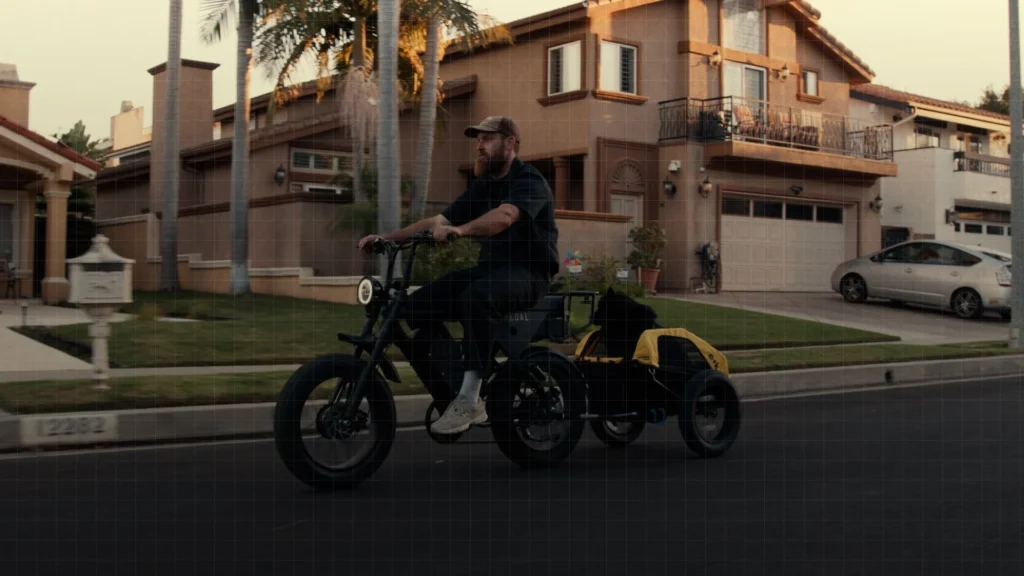
PEDAL ELECTRIC BIKE
THE BEST PEDAL ELECTRIC BIKE FOR ALL
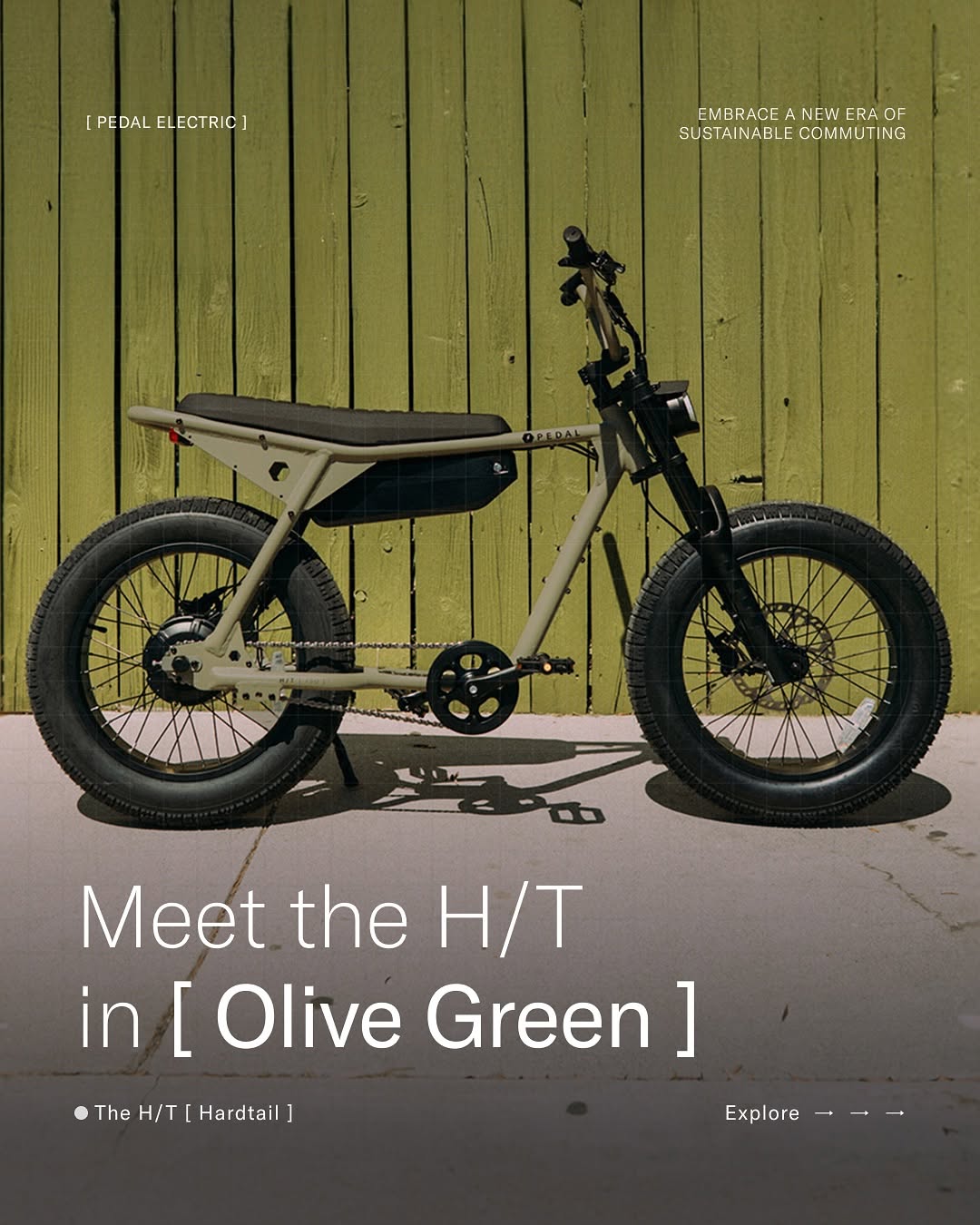
H/T
A rugged hardtail pedal electric bike built for durability, smooth pedal assist, and reliable electric performance.
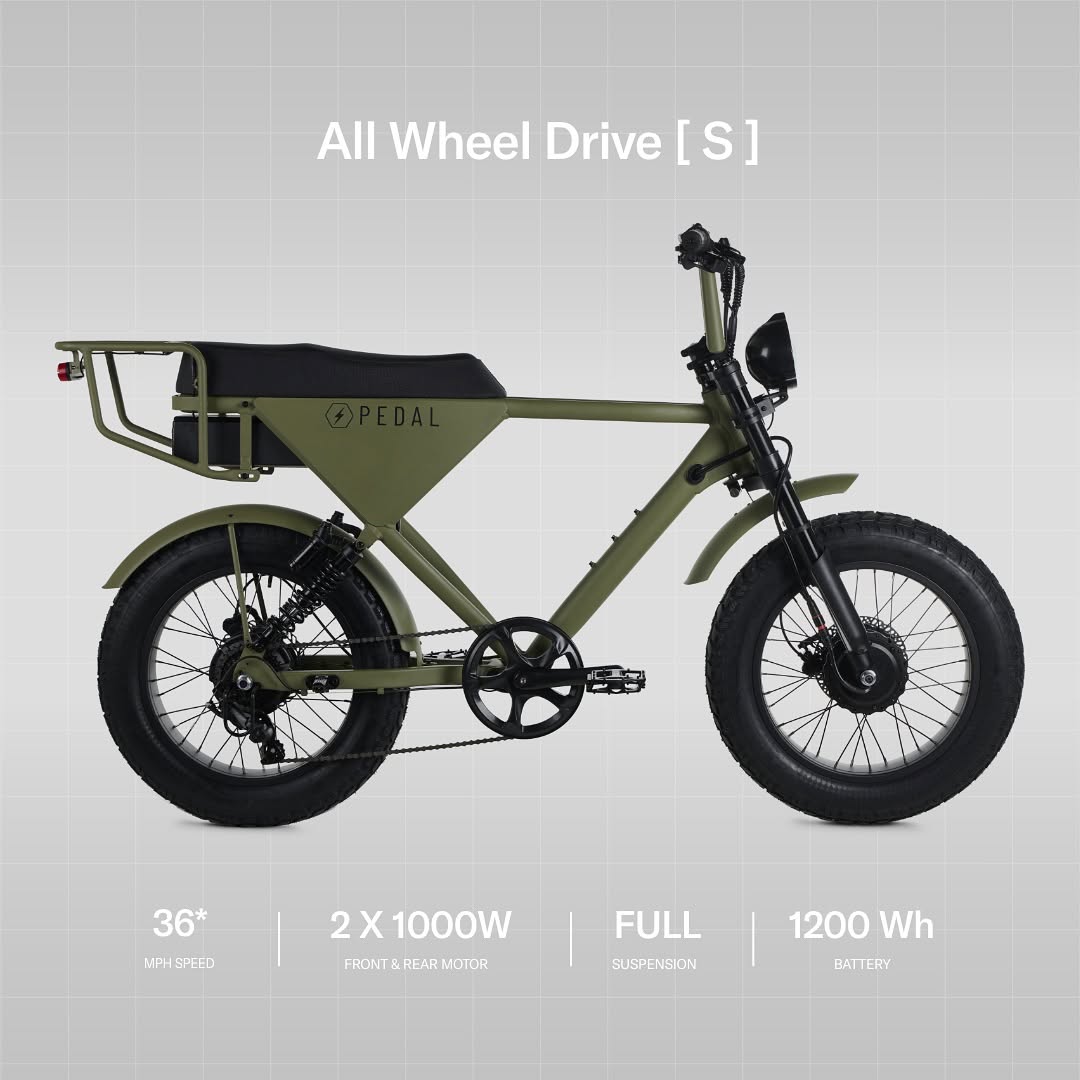
All Wheel Drive [S]
A dual motor electric bike engineered for maximum traction, acceleration, and control on demanding terrain.
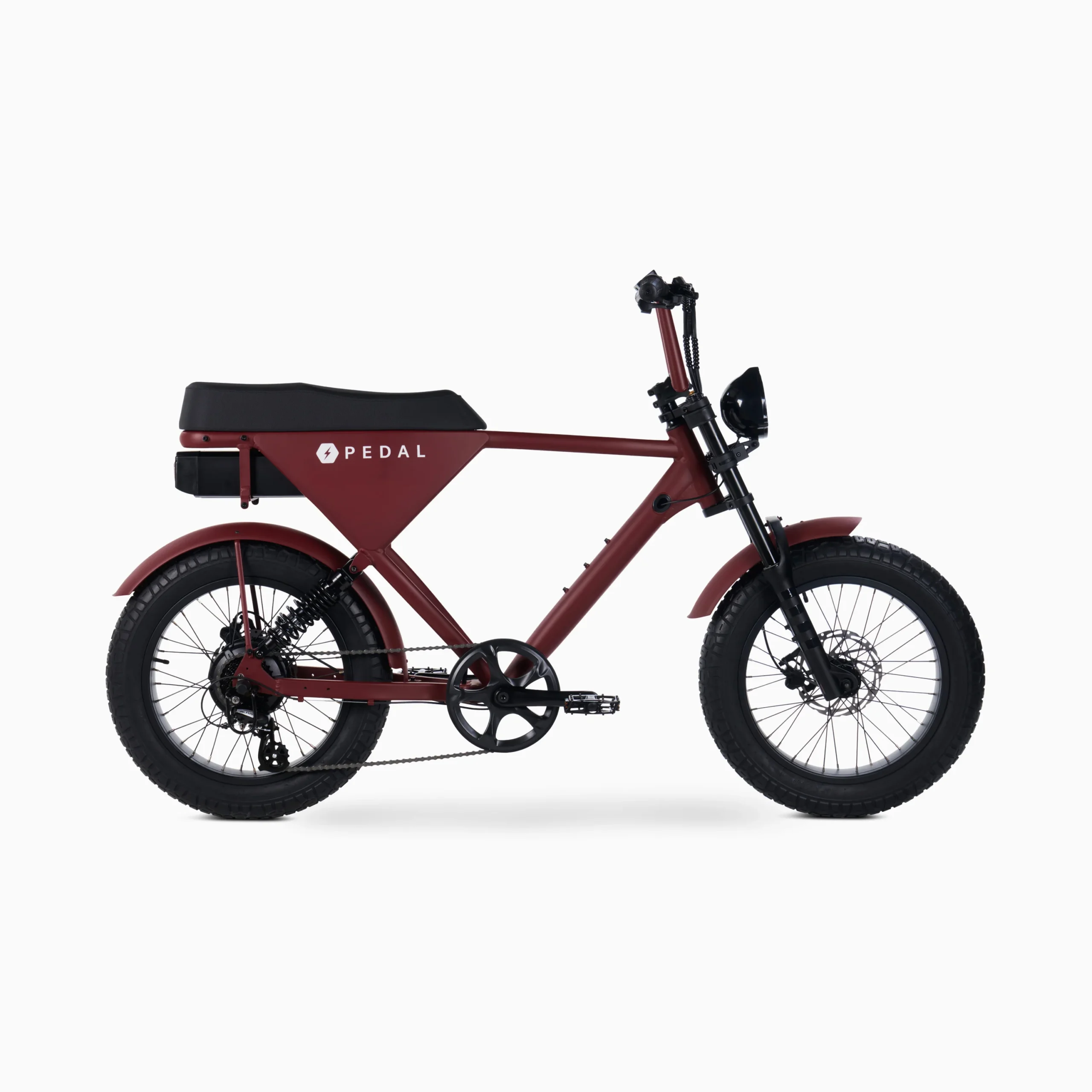
Core 3.0
The Core 3.0 pedal electric bike delivers balanced power, modern design, and exceptional value at a competitive electric bike price.
PEDAL ELECTRIC BIKES
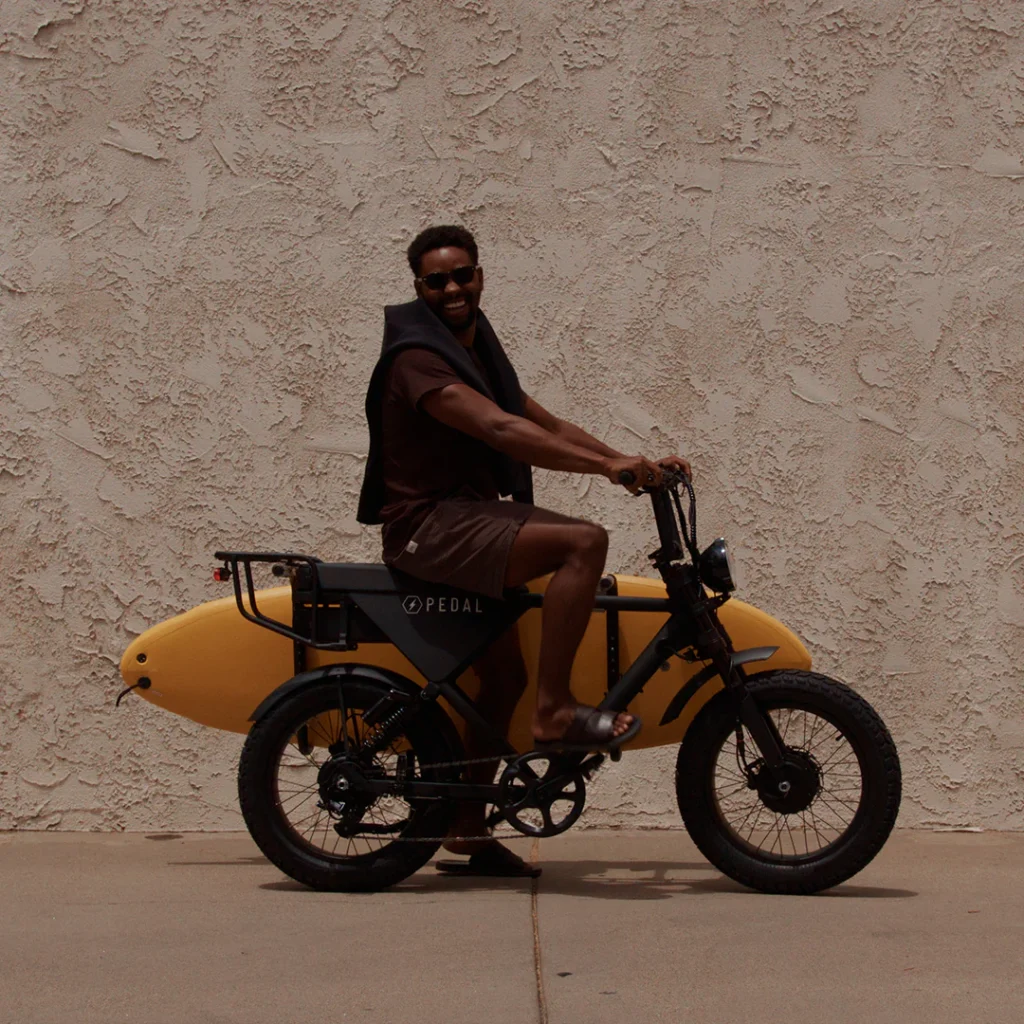
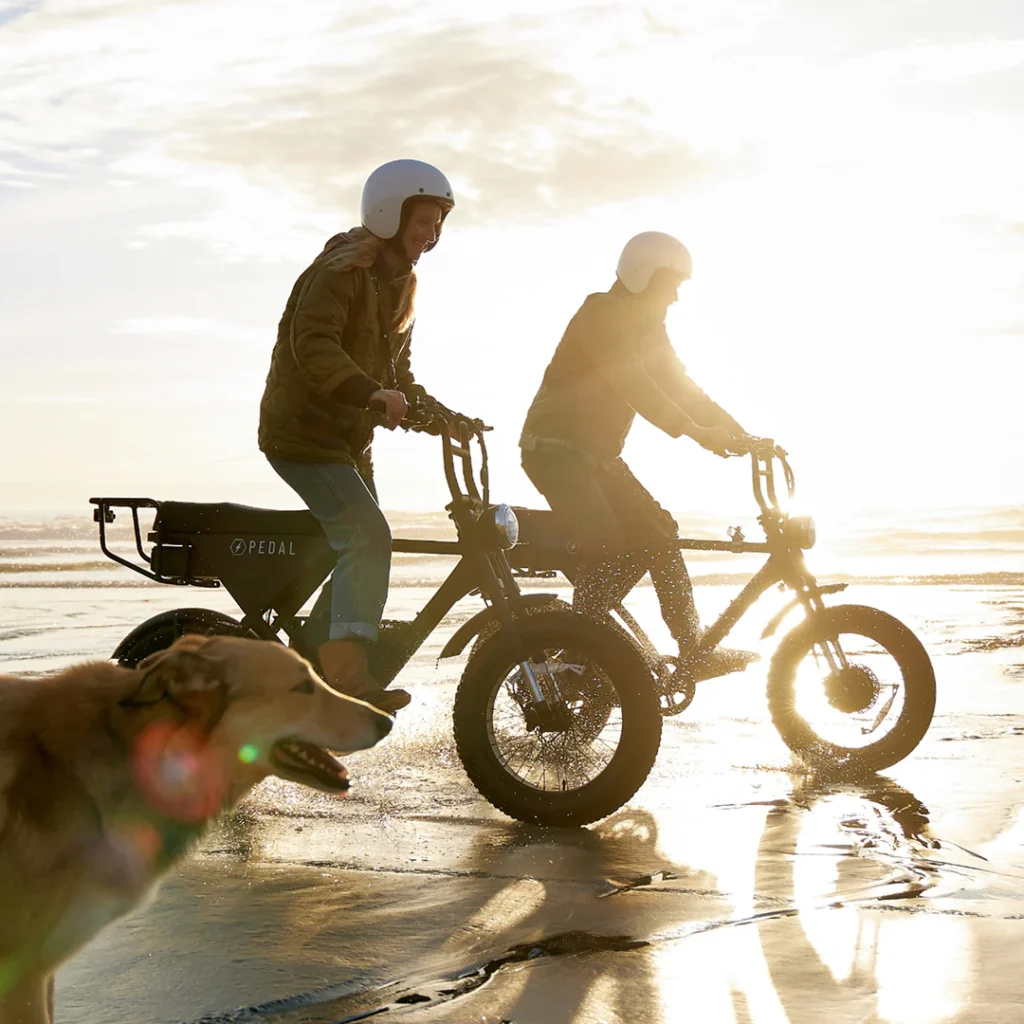
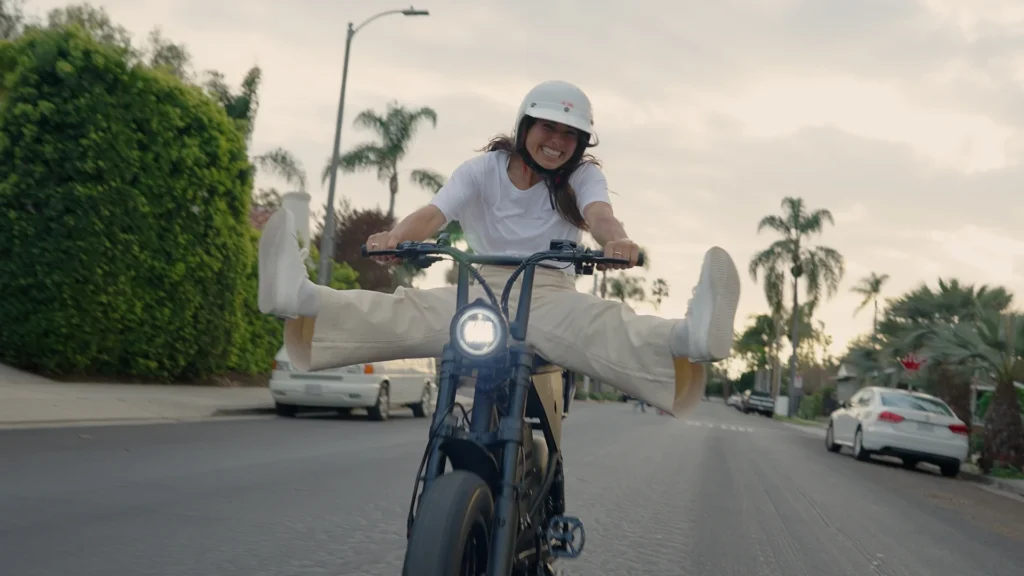
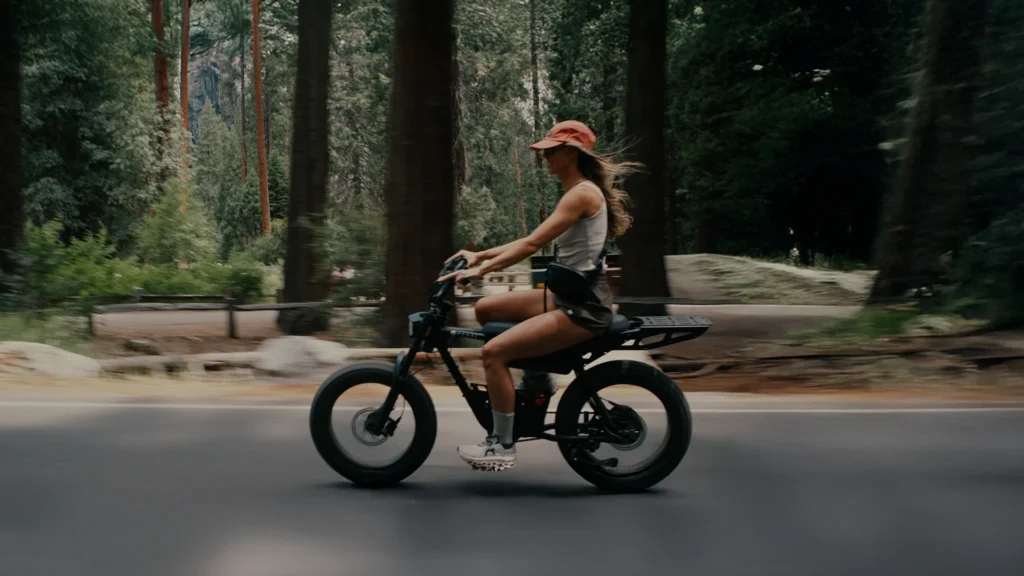
A pedal-electric bike combines human power with electric performance, giving riders the freedom to pedal, cruise, or do both. Our lineup of advanced pedal-electric bikes is designed for real riders who want efficiency, speed, and control. Whether you’re searching for a reliable pedal e-bike, a versatile electric and pedal bicycle, or modern electric bikes with pedals, our models deliver performance that adapts to your lifestyle.
The Core 2.0 pedal-electric bike stands out with intelligent pedal-assist electric bike technology, smooth power delivery, and durable design. For riders who demand more traction and torque, our dual-motor electric bike options provide enhanced stability and acceleration. We focus on transparent electric bike price and value, so you get premium features without compromise.
Unlike unrelated products such as electric guitar effects pedals, electric guitar pedals that mimic the human voice, or an electric pedal exerciser, our mission is focused entirely on real transportation and riding performance. Many riders ask, “Why do people pedal electric bikes?” The answer is simple: efficiency, freedom, and fun. Some models even support regenerative systems similar to an electric bike that charges as you pedal, maximizing range and ride time.
Explore the future of smart riding with high-performance pedal-electric innovation built for everyday use.
PEDAL ELECTRIC: EVERYTHING YOU NEED
Do I have to pedal an electric bike?
Yes, for most models. Pedal-assist e-bikes (Class 1 and 3) require you to pedal to activate the motor, which then "amplifies" your effort. Some e-bikes (Class 2) also include a throttle, which allows you to move without pedaling at all, similar to a scooter.
How fast can a pedal electric bike go?
In the U.S., most e-bikes provide assistance up to 20 mph (Class 1 and 2) or 28 mph (Class 3). In many other regions, like the UK and Europe, the motor assistance is legally capped at 15.5 mph (25 km/h). You can always pedal faster than these limits, but the motor will stop helping you.
How far can I ride on a single charge?
Most e-bikes have a range between 20 and 60 miles per charge. This varies widely based on:
Battery size: Measured in Watt-hours (Wh).
Assist level: Using "Eco" mode goes further than "Turbo" or "Sport".
Conditions: Terrain (hills), rider weight, and wind resistance all impact range.
Does pedaling or braking recharge the battery?
Generally, no. Most modern e-bikes do not have "regenerative braking" because the amount of energy recovered is usually too small to justify the added cost and weight. You replenish the battery by plugging it into a standard wall outlet.
Can I ride an e-bike in the rain?
Yes, most reputable e-bikes are designed to be water-resistant (often rated IP65 or IP67). While they can handle light to moderate rain and splashes, you should never submerge the motor or battery in deep water or use a high-pressure power washer to clean them.
Do I need a license or insurance to ride one?
In most parts of the U.S. and the UK, you do not need a driver’s license, registration, or insurance for standard Class 1, 2, or 3 e-bikes. However, laws vary by state and country, so it is best to check local regulations for your specific area.
How long does it take to charge the battery?
A full charge typically takes between 3 and 7 hours using a standard charger. Some manufacturers offer "fast chargers" that can significantly reduce this time, often by half or more.
Are electric bikes much heavier than regular bikes?
Yes, due to the motor and battery. A standard bicycle might weigh 20–35 lbs, while an e-bike typically weighs between 40 and 80 lbs. This weight is mostly noticeable when lifting the bike, but the motor makes it feel light while riding.
Can I still ride it if the battery dies?
Yes. An e-bike still functions as a regular bicycle if the battery runs out. However, because of the extra weight and mechanical resistance from some motor types, it will be harder to pedal than a standard bike.
What kind of maintenance do they need?
E-bikes require the same basic maintenance as regular bikes: keeping the chain lubed, checking tire pressure, and ensuring brakes are sharp. You should also:
Keep the firmware updated (if applicable).
Store the battery in a cool, dry place at 30-70% charge if not using it for a long time.
Periodically check electrical connections for corrosion.